What you’ll find here: A room-by-room guide to making a rental living room feel genuinely warm and cozy, using zero paint and zero permanent changes.
Who it’s for: Renters whose living room looks fine but doesn’t feel like home yet — especially if you’re craving that soft, hygge-style coziness.
Why it helps: You’ll get specific, doable moves for lighting, texture, scent, and layout that turn a plain rental living room into the coziest room in the apartment, all completely deposit-safe.
Let’s be real: If your living room looks perfectly fine during the day but feels oddly lifeless once the sun goes down, your furniture probably isn’t the problem.
The room is just missing its cozy layers.
And no, that does not mean you need to buy an entirely new sofa, paint the walls mushroom beige, or have an uncomfortable conversation with your landlord.
Most rooms feel welcoming because of a handful of small details: warm pools of light, soft fabrics, natural textures, familiar scents, and objects that actually mean something to the person living there.
In other words, cozy is less about decorating harder and more about making the room pleasant for your senses.
Here’s how to do that in a rental—no paintbrush required.
Fix the Lighting Before You Buy More Decor
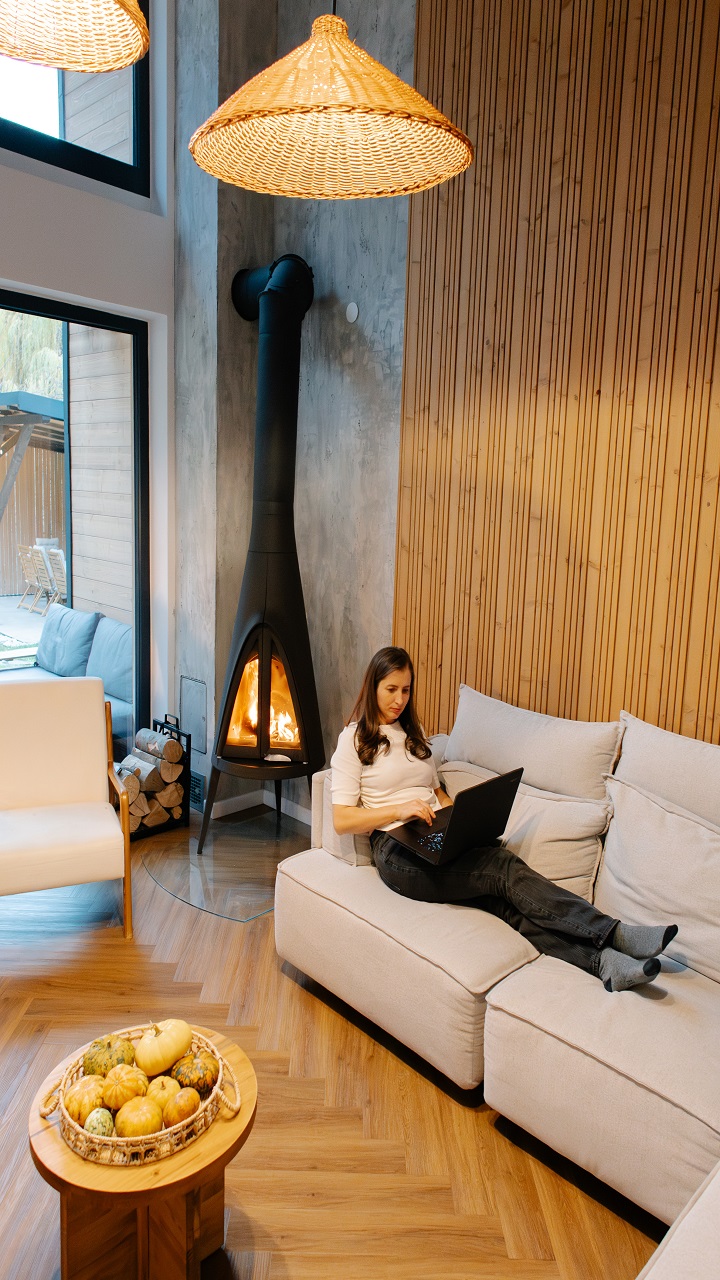
If one bright ceiling fixture is currently responsible for lighting your entire living room, start here.
Overhead lighting is useful when you lose an earring or need to inspect a suspicious stain. It is not especially talented at creating a soft, relaxing mood.
First, replace cool bulbs with warm-white bulbs
Yes, preferably around 2700K. That one inexpensive switch can make white rental walls look creamier, wood tones richer, and the whole room less clinical.
It is one of those tiny renter-friendly living room updates that has an unexpectedly big payoff.
Next, spread the light around the room instead of asking one fixture to do everything.
A floor lamp beside the sofa, a small table lamp on a console, and a candle or two on the coffee table will create separate pockets of glow. The effect feels softer because the light comes from different heights rather than blasting down from the ceiling.
No outlets in the right place? Use a slim extension cord with a removable adhesive cord cover along the baseboard. It looks much neater than a loose cord snaking across the floor, and it can come off when you move.
For an especially low-effort setup, plug your lamps into a smart plug or inexpensive outlet timer. Then your evening lighting can switch on automatically instead of requiring a nightly tour of every lamp in the apartment.
If your lease prohibits open flames, flameless candles still give you that flickering glow without the fire risk. A small group of three in different heights looks much more intentional than one lonely candle sitting in the middle of the coffee table.
Simple tip: Want the scent too? A wax warmer or reed diffuser gives you fragrance without an open flame—or a worried email from building management.
Make the Sofa Look Like Somewhere You’d Actually Nap
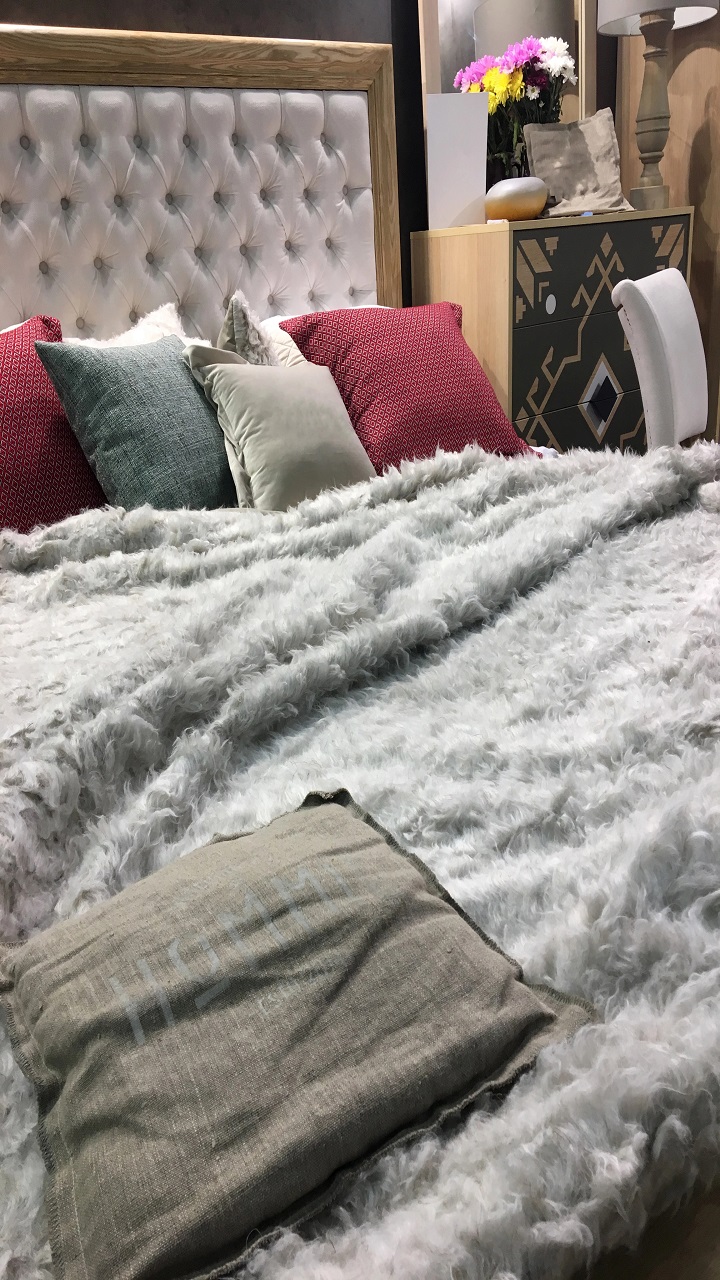
Texture is what takes a room from “nice furniture” to “please hand me that blanket and cancel my plans.”
Start with the sofa. Instead of one thin throw folded into a perfect rectangle, layer two blankets with noticeably different textures.
Try a chunky knit with a lighter waffle-weave throw, or a soft fleece blanket paired with washed cotton. One can be draped over the arm while the other lives in a basket nearby.
You do not need six blankets fighting for custody of the couch. Two or three are plenty, especially in a small apartment where visual clutter arrives very quickly and refuses to leave.
The same rule applies to pillows.
Choose a few covers that feel different from one another—a soft velvet, a woven stripe, perhaps something nubby or boucle—while keeping the colors connected.
Mixing texture makes a basic rental sofa look layered without requiring a mountain of decorative pillows that must be moved every time you sit down.
If storage is tight, use zippered pillow covers instead of buying complete seasonal pillows. The empty covers fold flat in a drawer, and you can reuse the same inserts throughout the year. This is cheaper, easier to store, and much less likely to result in an entire closet being held hostage by cushions.
Then look at the floor.
A soft area rug helps anchor the seating area, warms up hard flooring, and makes the room feel quieter.
You can even place a rug over existing carpet; just add a thin, non-slip rug pad underneath so the edges do not bunch or become an accidental obstacle course.
It is one of the most effective small-apartment renter-friendly upgrades because it adds color, softness, and definition without changing anything permanently.
Soften the Room With Wood, Rattan, and Greenery
Rental living rooms often contain a lot of hard, cool surfaces: white walls, metal fixtures, laminate floors, glass tables, and whatever mysterious gray finish came with the apartment.
The easiest way to balance all of that is to bring in warmer natural materials.
You do not need to replace your furniture. A wooden tray on a glass coffee table, a rattan basket beside the sofa, or a woven lampshade can be enough to shift the mood.
Interior designers use the same combination of warm wood and soft textiles when creating hygge-inspired rooms because those materials feel relaxed rather than polished and untouchable.
This is also a very budget-friendly category to thrift. Wooden bowls, small stools, baskets, and old picture frames usually look better with a little age anyway. A gently scratched wood tray has character. A scratched glossy plastic tray just looks like it lost a fight.
Add a plant if the room needs more life.
A pothos trailing from a bookcase or a snake plant tucked beside the television softens all the straight lines without taking up much room.
If your living room gets approximately four minutes of usable sunlight, a convincing faux plant is completely acceptable. We are creating atmosphere here, not taking a botany exam.
In a tiny room, choose one medium plant rather than scattering seven small pots across every surface. You will get the same softness with far less clutter.
Give the Room a Scent That Feels Like Home
A living room can look beautiful and still feel strangely unfinished because coziness is not only visual.
Scent changes the mood before you have even put down your bag.
Choose one warm fragrance family that suits the room—vanilla and amber, cedar and sandalwood, or something lightly spiced. You can use a candle, reed diffuser, wax warmer, or plug-in depending on your lease and personal preference.
The important part is restraint.
You want the room to smell gently inviting, not as though vanilla, cinnamon, pine, and pumpkin spice are having an argument in the hallway.
Designers working with hygge-style interiors often treat scent as another layer of the room, much like lighting or fabric.
Keeping that fragrance near soft furnishings—on a side table beside the sofa, for example—helps the seating area feel like its own little retreat.
Always check your building’s open-flame rules before using real candles. If flames are prohibited, flameless candles offer the glow without the risk, while a reed diffuser or wax warmer handles the fragrance.
Same warm atmosphere. Much less chance of lease drama.
Add the Things That Make the Room Yours
A cozy living room should reveal something about the person who lives there.
This does not mean covering every surface with decorative objects. It means replacing a few generic pieces with things that carry an actual memory: a framed photo from a favorite trip, books you have read more than once, pottery from a local market, or the slightly wonky blanket someone made for you.
Those pieces make a room feel personal in a way that store-bought styling bundles never quite manage.
Try creating one small “story spot” on a shelf or console.
Combine a framed photo, two or three books, and one sentimental object. Keeping the collection contained prevents a small living room from feeling cluttered while still giving it personality.
If hanging art is allowed, use removable picture-hanging strips rated for the frame’s weight.
Clean the wall first, follow the package instructions, and resist the urge to hang the frame immediately if the adhesive needs time to bond.
When you eventually remove the strip, pull the tab slowly downward rather than yanking it away from the wall.
Not interested in trusting adhesive with your favorite framed print? Completely fair. Lean larger artwork against the wall on a console, mantel, or low bookcase. Smaller frames can sit on shelves alongside your books.
Personal touches are regularly included in hygge decorating advice because coziness is partly emotional. The goal is not to make your rental resemble a showroom. It is to make it recognizable as your home the moment you walk in.
Create One Corner That Has a Job
Even a small rental living room benefits from having one spot dedicated to doing absolutely nothing productive.
A cozy corner gives the room a purpose beyond watching television. It can become your reading spot, morning coffee seat, knitting corner, or highly official place for scrolling through your phone under a blanket.
The full formula is simple:
- A comfortable chair
- A small table or narrow C-table
- A floor or wall-plug-in lamp
- One soft throw
- Somewhere to set a drink
If you do not have room for an extra chair, use one end of the sofa instead. Place a floor lamp behind it, slide a narrow table beside the arm, and keep a basket of blankets underneath.
The cozy corner is about creating a little ritual—not squeezing another piece of furniture into a room that is already begging for mercy.
For extra storage, choose a small ottoman with a removable lid.
It can hold spare blankets or pillow covers, act as a footrest, and provide emergency seating when someone visits. In a tight apartment, furniture that only performs one job should at least be exceptionally charming.
Once you create this spot, leave it ready to use. Keep the lamp within reach and the blanket nearby. A cozy corner works much better when enjoying it does not require fifteen minutes of furniture rearranging.
Make the Layout Feel More Intimate
Sometimes the decor is fine, but the furniture arrangement is making the room feel cold.
In small rentals, there is a natural instinct to push everything tightly against the walls. That can create more open floor space, but it can also leave the furniture looking disconnected—as though the sofa, chairs, and coffee table have recently had an argument.
Start by making the seating area feel like one group.
Let at least the front legs of the sofa and chairs rest on the rug, then position the coffee table close enough to reach without performing a full-body stretch.
If possible, pull the sofa a few inches away from the wall. You do not need a dramatic gap. Even three or four inches can soften that “furniture lined up for inspection” feeling.
Before moving anything heavy, mark possible furniture positions with painter’s tape on the floor. This lets you check walking paths and spacing without repeatedly dragging your sofa around the apartment.
It is especially helpful when you are trying to decide whether an accent chair will fit or merely become something everyone bumps into.
Keep the main walkway clear, but do not be afraid to turn a chair slightly toward the sofa. That small angle makes the arrangement feel conversational and welcoming instead of entirely focused on the television.
Quiet the Echo
A room can look soft and still feel uncomfortable if every sound bounces off the floor, windows, and bare walls.
Hard surfaces amplify footsteps, television noise, and conversations from the next room. Adding fabric helps absorb some of that sound, which makes the living room feel calmer even when nothing visual has changed.
A dense area rug with a cushioned pad is a great place to begin. Rugs are one of the easiest renter-friendly ways to soften apartment noise because they do not require any structural changes.
Then add curtains.
If you already have blinds, hang fabric panels in front of them rather than removing them. Heavier curtains feel especially enveloping, but even lined cotton panels will soften the room more than a bare window.
For a no-drill installation, a tension rod can work inside a recessed window frame for lightweight curtains. No-drill brackets that sit on top of existing window trim are another option if your windows are compatible.
Just check the weight limit before hanging anything substantial. Gravity remains deeply unsympathetic to renters.
Curtains look most intentional when they reach close to the floor rather than stopping awkwardly halfway down the wall. If standard panels are too long, use removable iron-on hemming tape instead of paying for alterations.
Books, upholstered furniture, fabric baskets, and blankets also help break up echo. You do not need to soundproof the room. You are simply taking away that hollow, slightly temporary feeling common in unfurnished rentals.
Your Rental Living Room Can Feel Like Home Now
Here is the lovely thing about making a living room cozy: none of these changes depends on owning the apartment.
You do not need painted walls, built-in shelves, or an enormous decorating budget. Warm lighting, touchable fabrics, a quieter layout, familiar scents, and a few meaningful objects can completely change how the room feels.
And you certainly do not need to tackle everything in one weekend.
Start with the change that bothers you most. If the room feels harsh at night, fix the lighting. If the sofa looks flat, add texture. If the space feels generic, bring out a few personal pieces. If every footstep echoes, start with the rug and curtains.
Cozy rooms are usually built one small layer at a time. That is good news for your budget, your storage space, and anyone who does not feel like explaining an unauthorized paint color to a landlord.
Pick two ideas and try them this week. Your living room may still be a rental—but it can finally feel like the place you are happy to come home to.
