
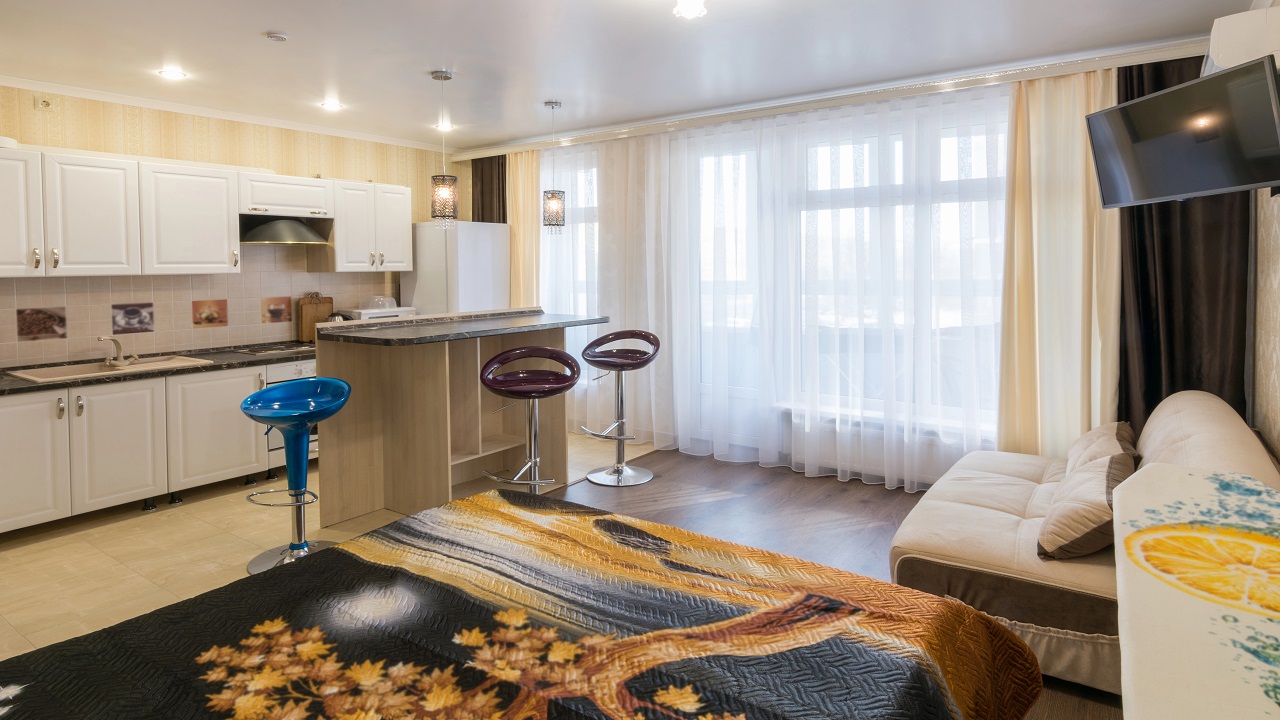
Okay, can we talk about small apartment living rooms for a second? You know that exact feeling when you step into your rental for the very first time? And think, this is it! This is where I live now.
But then you look at the couch you already own, stare at the wall you’re not allowed to paint. And just think, okay, how on earth do I do this?
I’ve been there.
Honestly, so many of us have been in that exact spot!
Here is the thing, though: having a small living room isn’t a life sentence. It isn’t a personality trait, either. “Small” never has to mean bare, boring. Or like you are just camping out until you can afford a real place.
With the right strategic moves, a tiny rental living room can easily feel just as intentional and cozy as anything you see in a design magazine. Better, honestly, because it is completely yours.
I have pulled together 23 specific ideas that go all the way from “where do I even start” to “wait, this actually looks amazing.”
Every single one of them is completely renter-friendly, so your landlord (and your security deposit) will never know the difference. Let’s get right into it!
What this is: 23 rental-ready small apartment living room ideas, organized neatly from layout to finishing touches.
Who it’s for: Renters and first-apartment dwellers dealing with a small living room who want a real home, not a temporary waiting room.
Why read it: You’ll walk away with a complete game plan—covering layout, walls, furniture, lighting, and style—that makes a tiny space feel cozier, bigger, and totally yours, without risking a single cent of your deposit.
Start With the Layout (Before You Buy Anything)
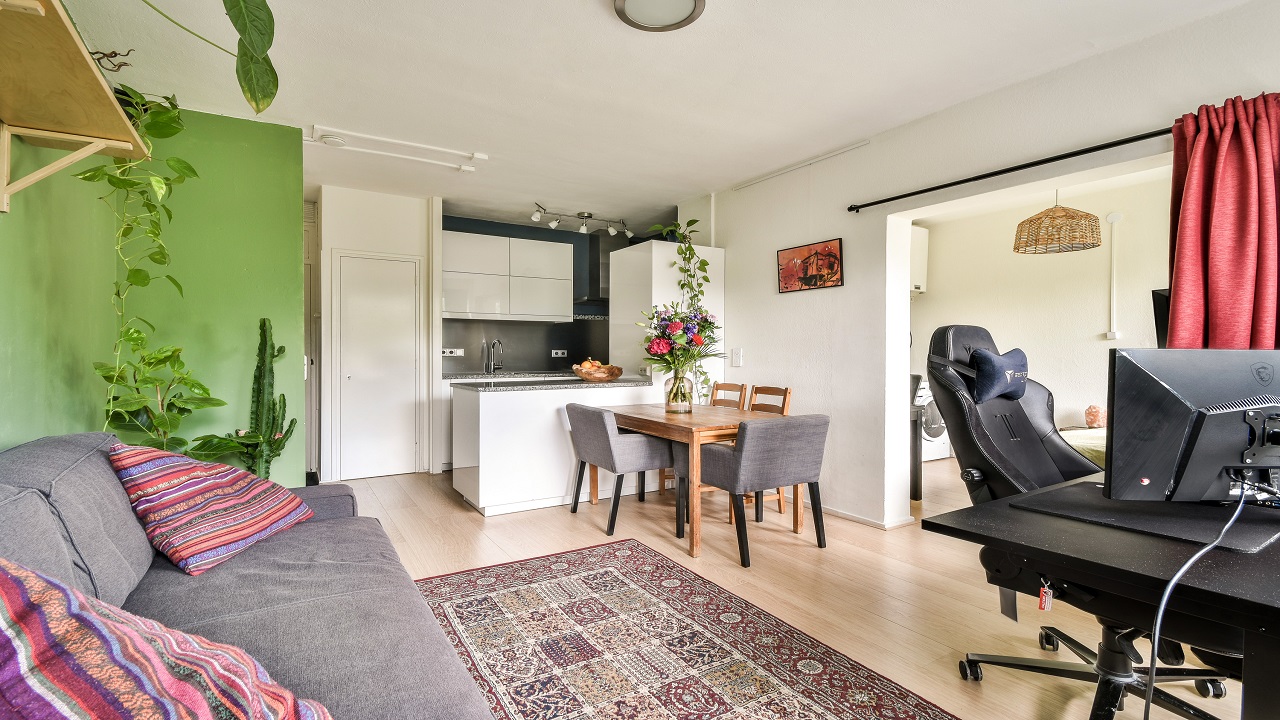
Before you go out and buy a single throw pillow, let’s talk layout. Because this is the exact step everyone skips, yet it’s actually the biggest lever you have.
Just rearranging what you already own can transform a cramped room faster than any new purchase ever will.
Float your sofa off the wall.
I know it feels completely backwards. Shouldn’t everything hug the walls when you’re in a small space?
No, not at all!
Pulling your couch out even six inches creates a little bit of breathing room. It instantly makes the space feel like a intentionally designed room instead of a crowded storage unit.
SIMPLE-tip: Angle the sofa slightly if you are really tight on square footage.
Map out a walking path
Next up: map out a clear walking path before committing to any furniture placement. Stand right in your doorway and imagine walking through the room.
If you find yourself constantly rerouting around a coffee table, that is your sign to shrink the table. Or move it out of the way. A clear, open path is what makes a room feel genuinely livable, not just nice in photos.
And if your living room doubles as your dining room (so many of us are living that combo life right now), use a great rug to define the “living room” zone.
It draws an invisible boundary without requiring a single nail. For open-plan rentals, it’s a total game-changer!
Make a Small Living Room Feel Bigger
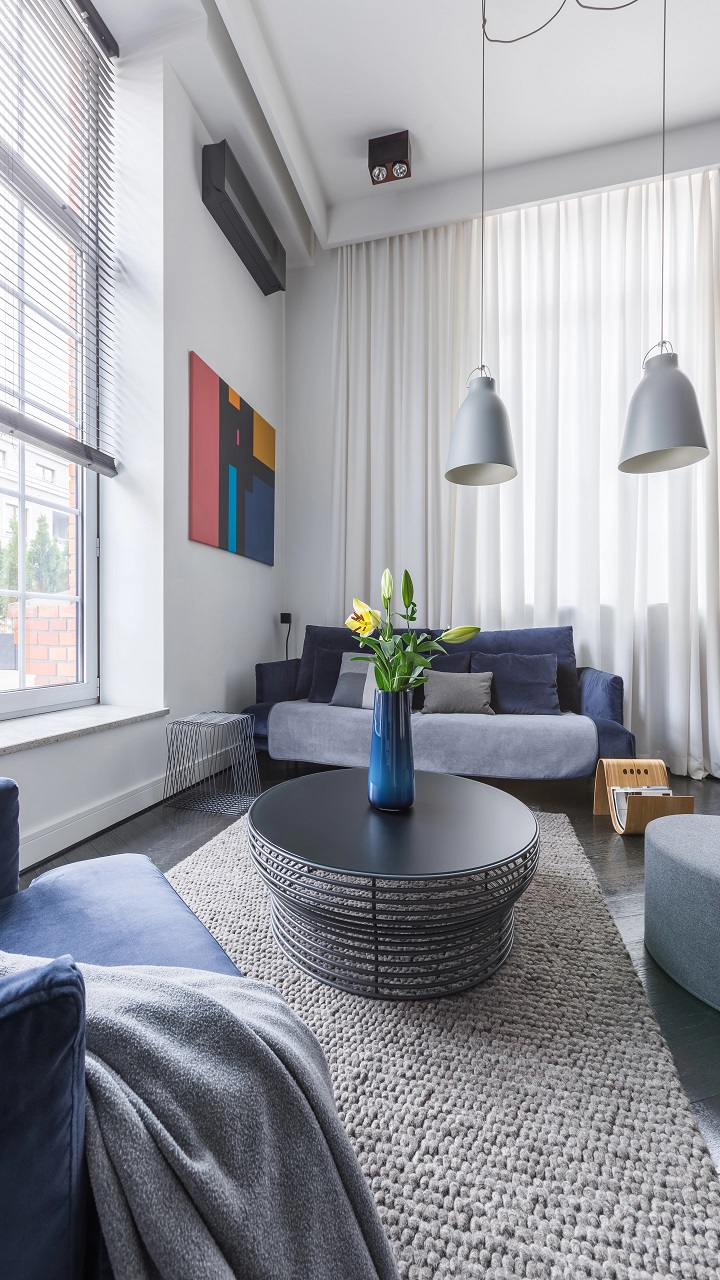
This is the fun part. The visual tricks that make a tiny room feel like it grew a few 100-square feet overnight.
Hang a large mirror across from your window.
Hands-down, this is the easiest and cheapest way to add light and depth to a small room. Mirrors bounce natural light around the space. Basically tricking your brain into seeing more square footage than you actually have.
Designers do this constantly for a reason.
It just works.
Choose furniture with exposed legs
Opt for pieces with legs instead of furniture that sits flush on the floor. You can literally see more of the floor this way.
And more visible floor always reads as more space. It is such a small swap, but it has a genuinely big payoff.
Go vertical with your storage
Use tall bookshelves, wall-mounted shelving. Or anything that draws the eye upward instead of outward.
Small rooms feel much taller (and bigger!) when there is something happening above eye level, not just down at couch height.
Pick one oversized statement piece
And here is a counterintuitive one. Pick one oversized statement piece instead of a bunch of small ones. A single big chair or a great piece of art reads as confident and cohesive.
A pile of little mismatched things just reads as clutter, even if each individual piece is cute on its own. Less really can be more here!
Renter-Friendly Walls (No Nails, No Damage)
Okay, this section is basically the heart of everything StanzaNest is about, so let’s really get into it.
Bare rental walls are the number one thing that makes a space feel temporary—and they’re the number one thing people are scared to touch.
Peel-and-stick wallpaper
This is an absolute secret weapon here. It goes up in a single afternoon, comes down completely clean at move-out, and instantly gives a rental that “I actually live here” feeling. Start with just one accent wall if you’re nervous—it is a low-commitment way to test-drive a bold pattern.
Damage-free hanging strips
For hanging your art, mirrors, and shelves, damage-free hanging strips are non-negotiable.
According to 3M’s official product weight guide, Command strips range from featherlight hooks all the way up to strips rated for much heavier frames and mirrors. You want to match the strip to the item, not just buy whatever is on sale.
Here is a quick cheat sheet so you aren’t guessing at the store:
| Item weight (approx.) | Strip type | Good for |
|---|---|---|
| Up to 1 lb | Small/clear hooks | Postcards, string lights |
| Up to 5 lbs | Medium strips | Small frames, calendars |
| Up to 12 lbs | Large strips | Mid-size art, small mirrors |
| Up to 16–20 lbs | XL/heavyweight strips | Larger frames, big mirrors |
The leaning loophole
If your lease genuinely says “nothing on the walls,” leaning art (or even a mirror) on a shelf or the floor is a total loophole—and honestly, leaned pieces have such a lived-in, editorial look.
Designers actually lean into this on purpose. Propping a large mirror against the wall instead of hanging it is a favorite trick for adding light and depth without a single tool. Layer two or three frames at different heights and it looks beautifully styled, not lazy.
Want to really level it up? Create a removable accent wall using fabric, washi tape geometric shapes, or a large tapestry. Zero holes, maximum personality. That is a total win!
Anchor the Room With the Right Couch
Your couch is basically the MVP of the whole room, so let’s get it right.
In a small space, an apartment-scale sofa (think a loveseat or a slim two-seater) will always outperform a giant sectional that completely eats the whole room.
It is incredibly tempting to go big for maximum seating. However, a properly scaled couch actually makes the room feel way more spacious and finished—which is the exact same principle that makes a 1-bedroom apartment layout work at all.
The Slipcover Reset Button
If you are currently stuck with a couch you didn’t choose (hello, hand-me-downs!), a slipcover is your renter-approved reset button.
Truly, it is the fastest, cheapest way to completely change the vibe of your living room without buying new furniture. You can even swap it seasonally if you are feeling fancy!
Then, style it up: layer cushions and throws in a couple of coordinating textures rather than sticking to one flat color. This is such an easy win for making a small couch feel intentional instead of like it’s just… sitting there.
Cozy It Up With Layers and Light
Want to know the single fastest way to make a small living room feel like a huge hug instead of a narrow hallway? Ditch the overhead light completely.
Layered lighting—which is just a mix of floor lamps, table lamps, and maybe a string of warm-toned bulbs—creates so much more depth and coziness than one harsh ceiling fixture ever could.
Design pros consistently recommend combining ambient, task, and accent light sources rather than relying on a single overhead light, because layering is what actually creates atmosphere in a room.
SIMPLE-tip: Stick strictly to warm bulbs (look for 2700K on the box). Cool white light makes small rentals feel clinical fast.
Next, add textured throws in different materials. Put a chunky knit here and a soft faux-fur there, and suddenly the room has depth you can practically feel from the doorway.
And definitely do not skip this one: layer a rug even over existing carpet. It sounds a little wild, I know, but it perfectly grounds a seating area. Plus, it adds a pop of pattern or color without touching a single wall. It’s so good, it’s not even fair.
Pick a Color Scheme That Works in a Rental
Landlord-beige walls are basically a rite of passage for renters, but they do not have to run the whole show.
Work with the beige instead of constantly fighting it. Pull warm neutrals, terracottas, and soft greens into your furniture and textiles, and that beige starts reading as a calm backdrop instead of a boring default.
Design writers who specialize in rental fixes consistently point to the exact same move: let your furniture and art carry the color, since the walls simply can’t. It is honestly kind of clutch once you stop resenting it.
If you are craving more color (which is totally relatable), bring it in through your textiles—pillows, throws, curtains, or a bold rug—instead of paint.
You get all the personality with absolutely none of the “will I get my deposit back” anxiety. Swapping textiles later is basically free compared to repainting. This is the exact same trick behind most rental-friendly decor—style through what you bring in, not what you change.
Windows and Curtains That Add Height
Curtains are so underrated for small spaces. Done the right way, they can make your whole room feel significantly taller.
Hang your curtain rod high and wide
Get it as close to the ceiling as you can manage, and extend it a few inches beyond the window frame on each side.
Interior designers consistently recommend mounting the rod several inches above the window frame, or even higher if your ceiling allows it, since it visually stretches the whole wall upward. A tension rod makes this a zero-damage, zero-drill install—genuinely one of my favorite rental hacks ever.
Choose light, airy fabrics
Go for breezy materials over heavy blackout panels if you can. They let way more light bounce around the room, which plays right into that “bigger space” illusion we talked about earlier. It’s pure genius, and it costs basically nothing to swap.
Style It for Your Aesthetic (Boho, Modern, Coastal, and Beyond)
Last stretch—let’s talk about personality!
A small rental can absolutely commit to a specific style, and honestly, it is way more fun when it does.
Leaning boho?
Layer up your plants, woven textures, and warm wood tones. Prefer something a bit more modern? Keep the palette tight, lean heavily on clean lines, and let one or two statement pieces do the talking.
Craving a coastal vibe?
Light woods, breezy linen, and a classic blue-and-white palette go a long way in even the tiniest space.
Whatever direction you pick, commit to it in your textiles and accessories first—that is the cheapest, fastest, most renter-friendly way to test a look you love before you fall for it completely.
And don’t forget the seasonal refresh. Swapping a few pillow covers or a throw blanket for fall is such an easy, low-cost way to keep the room feeling current all year round. It’s a total vibe, every time.
Your Tiny Living Room, Fully Lived-In
Here is what I want you to take away from all of this: small doesn’t mean unfinished, and rented absolutely does not mean temporary.
Every single idea on this list works with your lease, not against it—which means there is genuinely nothing standing between you and a living room that feels like the most “you” room in the whole apartment.
Start with the one section that excites you most (I am partial to the walls, personally) and build from there. You have totally got this—and your landlord will never even notice!
